As we enter the next phase of the digital revolution, cybersecurity will be one of the most critical aspects of our online lives. In 2025, the world will witness more advanced technologies, interconnected devices, and sophisticated cyber threats. To stay ahead of potential dangers, we need to understand the challenges we’ll face and how we can protect ourselves from these growing risks.
In this blog, we’ll dive into what cybersecurity in 2025 will look like, the challenges we need to prepare for, and how emerging technologies, like 10G, will change the cybersecurity landscape.
What is Cybersecurity, and Why Does It Matter?
Cybersecurity refers to the practice of protecting systems, networks, and data from digital attacks, theft, and damage. It is essential for businesses, governments, and individuals alike to ensure that personal information, financial data, and intellectual property are secure. As we rely more on technology in every aspect of our lives, the importance of cybersecurity grows exponentially.
In 2025, cybersecurity will become even more critical as more devices become connected, sensitive data is shared online, and the stakes for data breaches rise.
Cybersecurity Challenges in 2025: What We Need to Prepare For
As technology evolves, so do cyber threats. By 2025, we can expect new challenges and complexities to emerge. Here are some of the key cybersecurity challenges that will dominate the digital landscape:
1. Increasingly Sophisticated Cyber Attacks
In 2025, hackers will have access to more advanced tools and techniques, making their attacks harder to detect and prevent. From artificial intelligence-powered phishing attempts to deepfake technology that can impersonate trusted individuals, cybercriminals will leverage cutting-edge tech to carry out sophisticated attacks.
Internal Link: To learn more about how AI impacts cybersecurity, check out our blog on AI in cybersecurity.
2. The Rise of Quantum Computing
Quantum computing, which promises to solve problems at speeds unimaginable with today’s computers, also poses a threat to current encryption methods. Quantum computers could potentially break traditional cryptography, putting sensitive data at risk.
External Link: Read more about quantum computing and its implications for cybersecurity on TechCrunch.
3. Privacy Concerns with IoT Devices
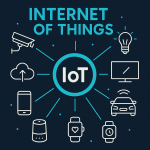
With the growing number of IoT devices in homes, workplaces, and public spaces, personal data is constantly being collected and shared. In 2025, IoT devices will be more prevalent than ever, and the challenge will be securing these devices to prevent breaches and privacy violations.
Internal Link: Learn more about securing IoT devices in our IoT and cybersecurity blog.
4. The Explosion of Ransomware Attacks
Ransomware attacks are becoming more targeted and destructive. By 2025, cybercriminals will continue to use ransomware to extort organizations and individuals, making it crucial to have backup systems and security measures in place.
External Link: Check out this article on How to Defend Against Ransomware.
5. The Need for Cybersecurity Education
As cyber threats evolve, so must our understanding of how to stay safe online. Cybersecurity education will be more important than ever in 2025, and it’s critical that individuals, businesses, and governments invest in educating their teams and communities about online safety.
Internal Link: Visit our blog on cybersecurity awareness for businesses for tips on improving security.
How to Protect Yourself in 2025: Tips for Personal and Business Security
With the rise of cyber threats, it’s essential to stay proactive and take the necessary steps to protect yourself and your data. Here are some tips to enhance your cybersecurity practices in 2025:
1. Use Multi-Factor Authentication (MFA)
MFA is one of the best ways to add an extra layer of protection to your online accounts. By requiring more than one form of verification (such as a password and a fingerprint), you can significantly reduce the risk of unauthorized access.
2. Keep Software and Systems Up-to-Date
Always update your operating systems, applications, and security software to the latest versions. Cybercriminals often exploit outdated software, so staying updated is essential for protection.
3. Encrypt Your Data
Encrypt sensitive data to protect it from being intercepted by hackers. This applies to everything from emails to financial transactions.
4. Regularly Back Up Your Data
In case of a ransomware attack or data breach, having a backup of your important files can save you from losing crucial information. Regular backups are essential for business continuity.
5. Educate Yourself and Your Team
Stay informed about the latest cybersecurity threats and practices. Whether you’re an individual or a business, cybersecurity education is key to staying safe in the digital age.
The Future of Connectivity: 10G Technology and Cybersecurity
As we look to 2025, we’re also seeing the development of 10G technology, which promises even faster internet speeds and more reliable connections than 5G. However, while 10G will bring many benefits, it will also introduce new challenges in terms of cybersecurity.
Who Developed 10G Technology?
The 10G technology is being developed by the CableLabs consortium, which includes major telecommunications companies like Comcast. It promises to offer multi-gigabit speeds and ultra-reliable connections, paving the way for advancements in AI, IoT, and other emerging technologies.
When Can We Expect It?
The first commercial 10G services are expected to launch around 2025. With 10G, we can expect even more connected devices and faster data speeds, which will require stronger cybersecurity measures to prevent breaches and protect user data.
External Link: Check out more about 10G and its future in this article from CableLabs.
Conclusion: Preparing for a Secure Future
As we look toward 2025, cybersecurity will continue to be a crucial aspect of our digital lives. While new technologies like 5G and 10G promise exciting advancements, they also bring new challenges that we must prepare for. By staying informed, implementing security best practices, and investing in the right tools, we can safeguard our data and stay protected against emerging threats.
For more insights into cybersecurity and the tech world, check out our other blogs on emerging cybersecurity trends.