89371

Meditation, mindfulness, spiritual practices, inner peace, stress reduction, personal growth, daily mindfulness, mental health, self-care, emotional balance Spirituality

Meditation and Mindfulness: The Spiritual Tools for Modern Living

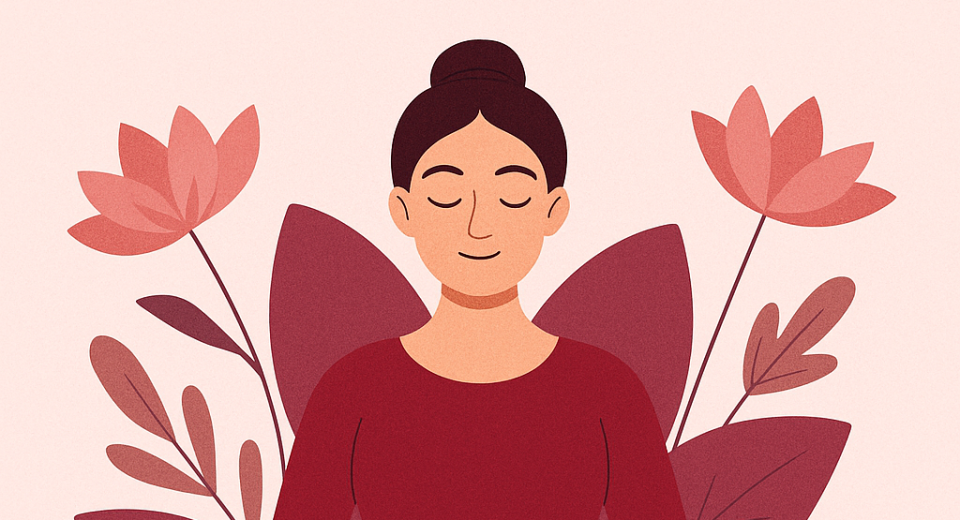
In today’s fast-paced, constantly connected world, it’s easy to become overwhelmed. We’re always on the go, juggling multiple tasks, and bombarded with information. However, amidst all this chaos, there are two powerful spiritual practices that can help us regain balance, improve mental clarity, and foster emotional well-being: Meditation and Mindfulness. These ancient practices have found their place in modern living, helping people navigate stress, anxiety, and life’s challenges. In this blog, we’ll explore what meditation and mindfulness are, how they work, their incredible benefits, and how you can incorporate them into your daily routine for a more peaceful and fulfilling life. What is Meditation? Meditation is a practice where an individual uses a technique—such as mindfulness, focusing the mind on a particular object, thought, or activity—to train attention and awareness and achieve a mentally clear and emotionally calm and stable state. Meditation is often associated with spiritual growth, as it can help us connect with our inner selves, allowing us to find peace and serenity in the present moment. While there are many types of meditation, all share a common goal: to quiet the mind and attain a deeper sense of calm. What is Mindfulness? Mindfulness, on the other hand, is the practice of being fully present and engaged in the current moment, without judgment. It involves paying attention to your thoughts, feelings, sensations, and the environment around you in a non-reactive and accepting way. Mindfulness can be practiced throughout the day, not just during a dedicated meditation session. It’s about cultivating awareness in every moment, whether you’re eating, walking, working, or having a conversation. The Benefits of Meditation and Mindfulness 1. Stress Reduction One of the most well-known benefits of both meditation and mindfulness is stress reduction. Studies show that these practices can lower levels of cortisol (the stress hormone), helping to reduce feelings of anxiety and tension. Regular practice can provide long-term relief from stress, allowing you to respond more calmly to life’s challenges. Internal Link: For more on managing stress, check out our Stress Management Tips. 2. Improved Focus and Concentration Meditation and mindfulness improve cognitive function, including attention, focus, and memory. By training the mind to stay present, you enhance your ability to concentrate on tasks, whether at work, school, or in daily life. 3. Emotional Balance By practicing mindfulness, you become more aware of your emotions and reactions. This awareness allows you to better manage emotions, increase emotional intelligence, and foster positive relationships. Meditation, too, helps in cultivating emotional balance by clearing mental clutter and promoting a sense of inner peace. 4. Better Sleep Mindfulness and meditation promote relaxation, which can help improve the quality of your sleep. When practiced before bedtime, these techniques can calm the mind and body, allowing you to fall asleep more easily and enjoy more restful sleep. 5. Enhanced Self-Awareness Both meditation and mindfulness increase self-awareness. By regularly reflecting on your thoughts, behaviors, and emotions, you gain a deeper understanding of yourself. This awareness can lead to personal growth, better decision-making, and more authentic living. How to Practice Meditation and Mindfulness 1. Starting with Meditation If you’re new to meditation, don’t worry! You don’t have to sit for hours in silence. Start small with just 5-10 minuteseach day. Here’s a simple way to get started: 2. Practicing Mindfulness Mindfulness doesn’t require you to sit still—it’s about being present in each moment. Try these simple mindfulness practices: Internal Link: Learn more about mindfulness practices in our Mindful Living Guide. Combining Meditation and Mindfulness: A Powerful Duo Meditation and mindfulness are not mutually exclusive—they complement each other beautifully. While meditation provides a structured time for quiet reflection, mindfulness helps you bring the benefits of meditation into your daily life. Together, they create a balanced spiritual practice that promotes peace, clarity, and happiness. By integrating both practices into your routine, you can cultivate a deeper sense of inner peace, focus, and emotional well-being. Meditation, Mindfulness, and Modern Life In our busy, digital world, it’s easy to feel disconnected, stressed, or overwhelmed. Meditation and mindfulness offer us a way to reconnect with ourselves, cultivate peace, and enhance our well-being. These practices are more than just spiritual tools—they are essential tools for modern living, helping us thrive in a world that demands our constant attention. By embracing meditation and mindfulness, you can start living more intentionally, be more present in your relationships, and approach life with a calm, centered mindset. External Link: For more information on how mindfulness can improve your health and well-being, check out the Mindful.org website. Conclusion: Begin Your Journey Today Whether you are new to these practices or looking to deepen your experience, meditation and mindfulness offer powerful spiritual tools that can enhance every aspect of your life. Start small, be consistent, and witness the transformation in your mind, body, and spirit. Take the first step towards inner peace today by incorporating meditation and mindfulness into your daily routine.
Gratitude, spiritual practices, Vedas, Buddhism, mindfulness, self-love, personal growth, mental health, meditation, emotional healing Spirituality

The Power of Gratitude: How Spiritual Practice Can Transform Your Life

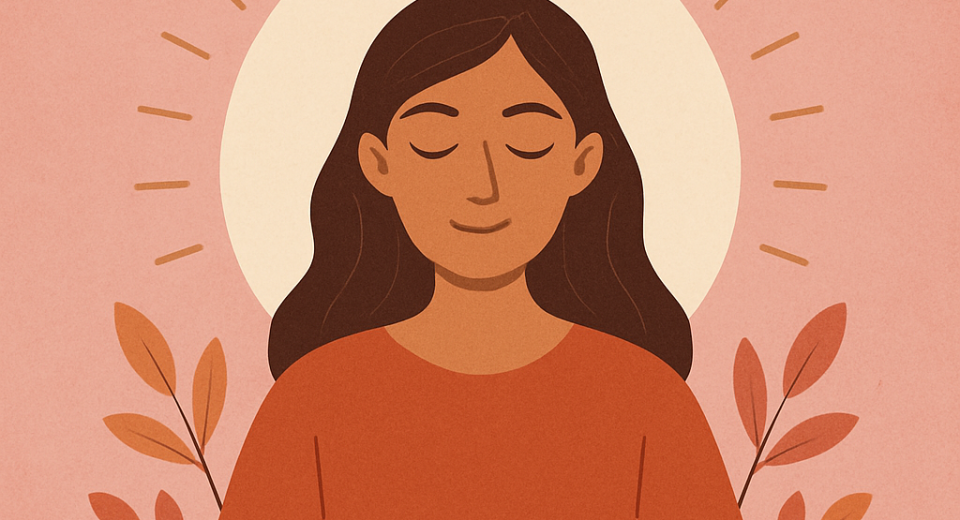
Gratitude is a powerful, transformative practice that has been embraced by spiritual traditions for thousands of years. In both ancient and modern teachings, gratitude is considered a vital key to happiness, peace, and personal growth. Whether it’s a simple thank you for life’s blessings or a deep sense of appreciation for the present moment, gratitude has the ability to change our mindset and connect us to our higher selves. In this blog, we explore how gratitude works as a spiritual practice, its profound benefits, and how ancient teachings from the Vedas and Buddhism emphasize its importance. Why Gratitude is a Game-Changer for Your Life Gratitude is not just a nice-to-have emotion; it is a spiritual tool that has been linked to improved mental health, better relationships, and even enhanced physical well-being. In the fast-paced world we live in today, it’s easy to get caught up in what we don’t have, what we wish was different, and the challenges we face. Practicing gratitude allows us to shift our focus to what we do have—our health, our loved ones, our opportunities, and the simple joys of life. Gratitude and the Mind-Body Connection Scientific studies have shown that practicing gratitude regularly can lead to a reduction in stress, improved sleep, and an overall better mood. When we focus on the positive aspects of life, we reduce negative thoughts and increase feelings of well-being. Fun Fact: People who keep a gratitude journal report being 25% happier than those who don’t practice regular gratitude. How Gratitude is Taught in Ancient Spiritual Practices Gratitude is not a modern concept. It is deeply rooted in ancient spiritual traditions, particularly in the Vedas and Buddhism, which teach us the value of being thankful for everything life provides. Gratitude in the Vedas: Recognizing the Divine in All Things In the Vedas, the sacred texts of Hinduism, gratitude is central to the practice of recognizing the divine presence in everything around us. The Rig Veda, for instance, teaches that gratitude to the gods (known as “Devas”) is the highest form of respect. The Vedas emphasize the importance of offering thanks not just to the divine but also to all living beings, nature, and the earth for sustaining us. Quote from the Vedas:“You who bring forth joy, I offer my gratitude; I thank you for the world you’ve created.” — Rig Veda This deep sense of gratitude to the divine is not just for material blessings but also for the very act of living and the interconnectedness of all beings. The Vedic practice encourages us to live with a sense of humility and to acknowledge that our existence is a gift—one that should not be taken for granted. Internal Link: Learn more about the spiritual wisdom of the Vedas in our Spiritual Wisdom Blog. Gratitude in Buddhism: The Practice of Thankfulness In Buddhism, gratitude is closely linked to mindfulness and the practice of living in the present moment. The Buddhataught that all things are temporary, and because of this, gratitude allows us to appreciate the fleeting beauty of life without attachment. One of the key teachings of Buddhism is that true happiness comes not from acquiring more things but from appreciating what is already present in our lives. In Buddhist philosophy, gratitude is often practiced through metta meditation—a loving-kindness meditation that encourages individuals to send thoughts of goodwill and appreciation to themselves, their loved ones, and all beings. By cultivating gratitude in this way, Buddhists believe we can overcome suffering and cultivate a peaceful mind. Story from Buddhism: The Tale of the Grateful Beggar There is an ancient Buddhist story that illustrates the transformative power of gratitude: Once, a beggar came to the Buddha seeking alms. The beggar had no family and had been wandering the streets for many years. Buddha, seeing his suffering, gave him food and offered kind words. The beggar, feeling immense gratitude, asked the Buddha, “What can I do to repay your kindness?” The Buddha replied, “Your gratitude is enough. The act of giving is not a transaction but a cycle of kindness that must be passed on. Be grateful for what you have, and in turn, help others as you can.” The beggar, moved by Buddha’s wisdom, went on to share his newfound sense of gratitude with others. As he did, his life began to change. No longer focused on his hardships, he found joy in giving, and through his acts of kindness, he found peace and fulfillment. External Link: To dive deeper into the Buddhist perspective on gratitude, check out The Buddhist Center. Practical Ways to Practice Gratitude in Your Daily Life 1. Keep a Gratitude Journal Set aside a few minutes each day to write down three things you’re grateful for. This simple practice helps shift your focus from what’s missing in your life to what is already abundant. 2. Practice Mindful Gratitude Incorporate mindfulness into your daily routine by pausing for a moment and truly appreciating the present moment. Whether it’s savoring a meal, a conversation, or a walk in nature, take time to be grateful for the small things. 3. Send Gratitude to Others Express your appreciation to others through words, actions, or small gestures. Whether it’s thanking a colleague for their help or letting a loved one know how much they mean to you, acts of gratitude foster stronger connections. 4. Meditate on Gratitude Try a meditation that focuses solely on gratitude. Sit quietly and think of all the things you’re grateful for in your life. This practice can deepen your connection to yourself and the present moment. Internal Link: For more on mindfulness and meditation, check out our Meditation Guide. The Transformative Power of Gratitude The act of practicing gratitude can completely transform your life. It shifts your mindset from one of scarcity and lack to one of abundance and joy. By embracing gratitude, you begin to see the world through a more positive lens, leading to better relationships, improved mental health, and a more peaceful life. Gratitude is not just a spiritual practice—it is a tool for personal growth and emotional healing. Whether you’re seeking balance in your personal life, dealing with a challenge, or simply looking for ways to