89371

TOYOTA HYDROGEN FUEL CELL Personal And Professional Growth

Toyota Water Engine Revolution: Is This the Future Beyond Electric Cars?

Toyota introduces a revolutionary water engine. Find out how it standsagainst EVs and why it may redefine green mobility over the nextdecade. Beyond Electric: Toyota’s Ambitious Gamble on Water-Powered Cars Toyota, the world leader in car innovation, is again disrupting the clean mobility sector. Having revolutionized the market with the Prius, Toyota is now in the news with its research into a water-based engine, a possible game-changer that could rival or even surpass theperformance of current electric vehicles (EVs). What Is a Water Engine and How Does It Work? Despite the hype, the so-called “water engine” does not run directly onwater. Toyota is pushing hydrogen fuel cell technology, where hydrogen combines with oxygen to generate electricity and water vapor. How It Works: Hydrogen and oxygen are mixed in a fuel cell.The reaction generates electricity that drives the vehicle.The only exhaust is water vapor.This is among the cleanest propulsion systems in development. Water Engines vs Electric Vehicles: A Clean Tech Showdown Feature Hydrogen Fuel Cell (Water Engine) Battery Electric Vehicles (BEVs) Refueling Time 3–5 minutes 30–60 minutes (fast charging) Driving Range 600–800 km 300–500 km (average) Emissions Only water vapor None, but battery disposal concerns Infrastructure Emerging and limited Widely available Battery Dependency No lithium-ion battery required Heavy reliance on lithium, cobalt Climate Performance Stable even in cold climates Degrades in extreme cold Refueling Stations Scarce but expanding Readily available in urban areas Key Benefits of Toyota’s Water Engine Over EVs The Road Ahead Toyota’s forays into hydrogen fuel cell technology are a major step toward sustainable mobility. As the electric vehicle wave continues tomake waves, water engines may just be the level-up solution: quickrefuelling, more range, and less environmental impact. But, for mass appeal, it all comes down to investment in hydrogen infrastructure, political support, and consumer education. If these pieces fall into place, Toyota’s technology could indeed be the future of green roads tomorrow. Learn MoreToyota Official Hydrogen Vehicle Page Hydrogen Fuel Cell Basics – U.S. Department of Energy Read More Blogs on Clean Mobility at 89371.LIFE By Pooja Mann | 89371.LIFE

who is labour in India Personal And Professional Growth

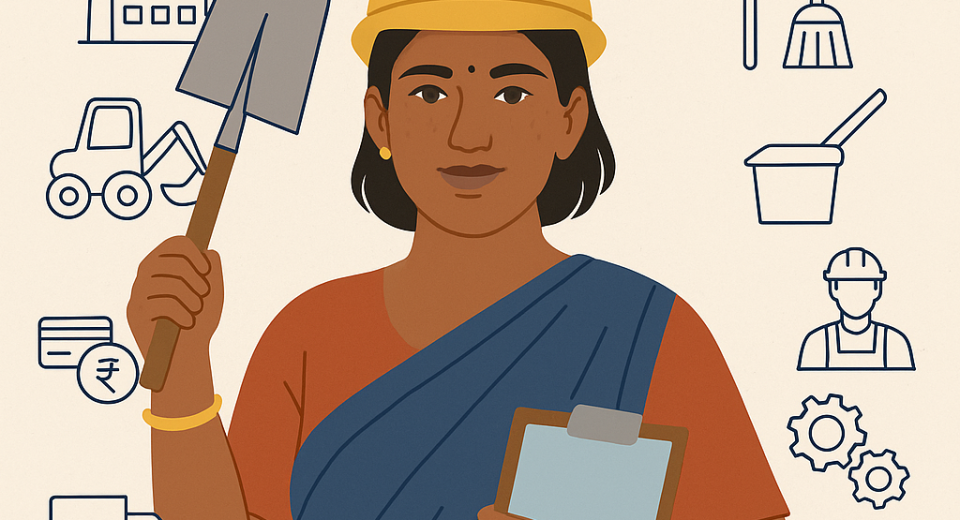
Labour Day in India: Date, Meaning, and the Working Class Rights

By Pooja Mann | 89371.LIFE When is Labour Day Celebrated in India? Labour Day or May Day or International Workers’ Day is celebratedannually on 1st May in India. It is a public holiday in some Indian states and is celebrated to commemorate the working class’s contribution across various sectors. The Origin and History of Labour Day The origin of Labour Day dates back to the late 19th century during the labour union movement in the United States, where workers demanded better working conditions and an eight-hour workday. It came about with the Haymarket Affair in Chicago in 1886, in which a pacific rally resulted in violence. It resulted in May 1st being officiallydeclared International Workers’ Day around the world, including India. In India, Labour Day was first celebrated on May 1, 1923, in Madras (now Chennai) by the Labour Kisan Party of Hindustan. Ever since, May Day has become synonymous with the struggle for workers’ rights and dignity. Who is Labeled Labour in India? Within the Indian context, the definition of “labour” is a broad categoryof workers, mostly concerned with manual or physical work. These include: Though most of these workers are working in the informal sector, the employees of the organized sector are entitled to formal labor laws, trade unions, and factory protection. What Rights Do Labourers Enjoy on Labour Day? Labour Day is a gazetted or public holiday in some Indian states. Organized sector workers are typically entitled to: A paid holiday on May 1stOvertime or compensatory leave if needed to work on Labour DayAttendance at awareness events or union meetings without penaltyBut employees in the unorganized sector, which accounts for a majorityof India’s workforce, are often not provided these benefits regularly. The implementation of labour rights is still a major issue in these segments. Why Labour Day Still Matters? In an increasingly changing world dominated by technology and automation, it’s so easy to forget the valuable role of manual labor and human effort. Labour Day reminds us of: The dignity and worth of hard workThe need for fair wages and humane working hoursThe need to protect vulnerable workersThe continuing struggle for equal treatment and recognitionLabour Day is more than just a public holiday. It’s a message — that the hands that build, sweep, cook, drive, plant, and lift deserve a voice, respect, and protection. Written by Pooja MannVoice behind 89371.LIFEWhere we grow, laugh, and learn — one reset button at a time.

GAME OR NO GAME? Mom And Child

Game On or Game Over?

How Video Games Are Shaping Our Kids (and Our Sanity)By Pooja Mann | 89371.LIFE And as a mom, I’ve seen my kid transition from “Mom, just five more minutes” to “Mom, it’s a mission, I can’t stop” quicker than you can boil water. But outside the screen skirmishes and missing remotes, there’s a larger discussion:How do games influence our children, our households, and our everyday lives — positively or negatively? The Good Side of Gaming Yes, I know. Games are not evil. In fact, here’s where they surprisingly shine: 1. Brain Boosters Lots of games enhance reflexes, critical thinking, and problem-solvingskills. Take Minecraft, Legend of Zelda, or even Among Us (which, let’s admit it, school children in deception like miniature politicians). 2. Social Skills (Yes, Online Counts) Gaming teaches children to cooperate, bargain, and take charge. Multiplayer games such as Fortnite or Roblox can be virtual playgrounds — without the scraped knees. 3. De-Stress Adults de-stress with coffee or Netflix. Children? They simply turn on a game. Games are a safe medium for release, particularly for adolescents dealing with school stress or social anxiety. 4. Learning in Disguise Simulation games like SimCity or Farming Simulator teach resource management, patience, and sometimes the harsh reality of running out of digital money. The Dark Side of the Console Of course, with great power comes, endless screen time, forgotten homework, and occasional identity crises. 1. Time Drain Ever watched a kid play GTA for “just 10 minutes” and suddenly it’s dark outside, your food’s cold, and they haven’t blinked? Time evaporates. 2. Violence Overdose Let’s discuss Grand Theft Auto 6 (GTA6) — the bright new craziness on the market. Yes, it’s exciting. But also, not necessarily a parenting wish. Stealing cars and running from police isn’t the life lesson most of us are dreaming of between calculus and supper. 3. Emotional Disconnection Too much gaming can occasionally stand in for real-life communication. That leaves less dinner table chatter and more “huh” and “k” answers. 4. Sleep Sabotage “Just one more level” becomes midnight gaming sessions and groggymornings. And don’t get me started on the number of times I’ve discovered controllers still in hand when waking up. So. What Do We Do? No, the answer isn’t setting the PS5 on fire or shouting “back in my day”every two hours. Here’s a healthier approach: Establish screen time limits (and yes, it’s fine to stash the charger occasionally)Play with them every now and then — even when you lose horriblyUnderstand what they’re playing — look into it and make sense of the plotlinesDiscuss — about decisions, morals, and what they would do in real lifeFinal Score? Video games aren’t the bad guy. Nor is it a hero. It’s a tool — one that can create, connect, and challenge… or a tool that can numb, isolate, and distract. Just as chocolate, social media, or shopping bargain-hunting — the magic lies in how we use it. So when your child says “one more match,” breathe. Look at the clock. Perhaps sit with them for one. And then — talk. Because true connection always trumps a high score. By Pooja MannMother. Gamer (level 1).Voice of 89371.LIFEWhere we grow, laugh, and learn — one reset button at a time.

WHAT IS A WOMEN? Mom And Child

What Is a Woman?

I have stopped short at this question, so many times—not because I haven’t a sense of the answer, but because it seems so expansive, layered, and full of life. What is a woman? She is not simply a gender or a role. She is a package of strength coiled in flexibility. She is logic interwoven with rich emotional smarts. She is intuition, grit, love, and a narrative unfolding across time, cultures, and expectation. The Biological Reality — and Beyond Biologically, yes, there are differences. Science reveals to us that women tend to have a more robust immune system, higher endurance capacity in long-term stress, and even a more intricate neural network when it comes to emotional processing. Men, however, have greater physical muscle mass, quicker reaction time, and a more concentrated problem-solving approach in high-stress contexts. But what research also shows is this: those differences are not weaknesses, they are areas of expertise. “We are wired differently, not to compete with each other, but to cover a wider range of life and leadership.” According to a Harvard Business Review study, women actually outperformed men in 12 out of 16 leadership skills. Emotional intelligence, empathy, communication, collaboration — the world is finally waking up to the fact that these aren’t soft skills; they are power skills. The Cultural Contrast Around the world, women have been defined differently by cultures. In one society, she is worshiped as the goddess, the creator of life. In another, she has had to struggle for her right to learn, vote, speak, or just walk freely. What hurts my heart is that in so many locations, even today, to be a woman is to bear the unspoken burden of “adjusting” or “shrinking” just in order to maintain peace. But I think we are rising. Not against men — but along with them. We are no longer demanding space. We are taking our place — in boardrooms, in classrooms, in parliaments, and in our own homes. More Than Roles, More Than Labels A woman is not only someone’s daughter, mother, wife, or boss. She is all these and yet herself. She can be loud or quiet. Wild or calm. A homemaker or a CEO. Or all at the same time. We’ve lived for too long in a world that has demanded women to “balance it all.” I think we should now say — you don’t have to balance, just pick what makes you feel whole. The Evolution of Identity Now, even the concept of gender is being examined more profoundly. And it makes me think even more — that to be a woman is not merely amatter of chromosomes or body parts. It is also about identity, expression, and the deeply personal experience of living life as female in a world that has not always been equitable — but is gradually waking up. Whatever her cisness, transness, or nonbinariness — the feminine experience is expansive. And each tale counts. So, What Is a Woman? She is not singular.She is a soul in movement.She is the pulse of all revolutions.She is the breath of braveness in each quiet.She is the one who gets up, even when nobody’s observing. And if you’re reading this as a woman — I want you to know that you don’t have to fit into anything to be deserving. You already are. Just as you are. By Pooja MannFor those of us who are still figuring out what it means to live freely, love fearlessly, and walk as our entire selves —Welcome to 89371.LIFE.

#LifeLessons #30sWisdom #SelfGrowth #PersonalDevelopment #PoojaMann #89371life #MotivationalPoster #EmpoweredWomen #ConfidenceQuotes #SelfImprovement #GratitudeMatters #MindsetShift #KeepEvolving #DigitalIllustration #InspirationDaily Personal And Professional Growth

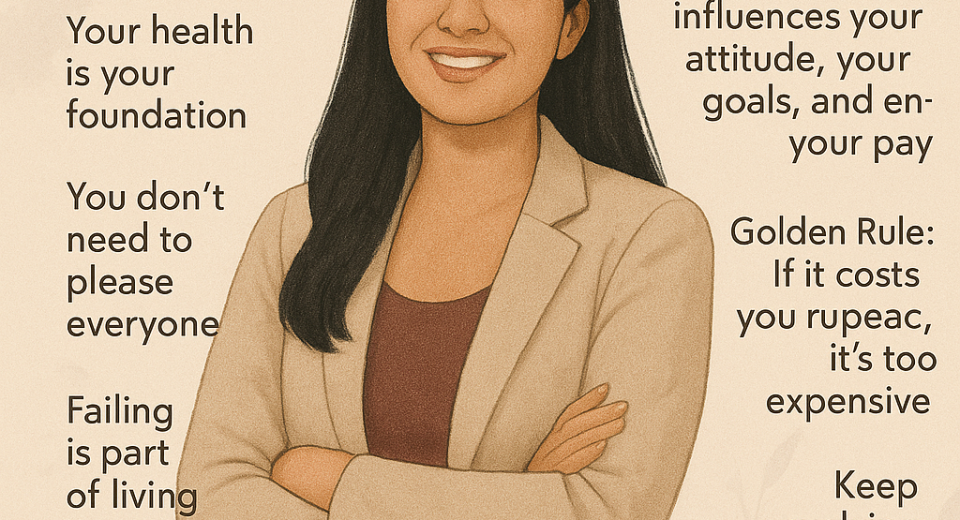
10 Things You Need to Learn by Age 30

Since your 20s are about learning, but your 30s are about living out what you learned. Turning 30, and sometimes it feels like reaching a symbolic boundary. It’s a timeof transitions—from playing around to settling down, from wonderingto knowing. But if you bring the right lessons with you, your 30s can be your strongest years so far. Here are 10 life lessons you need to learn by 30 to succeed personally and professionally. 1. Time Is Your Real Currency You can make back money. You can’t make back time. Learn to valuepeople, projects, and habits that honor your time—and leave behindthose that don’t. 2. Your Health Is Your Foundation The party-all-night phase later manifests as burnout. Make movement, sleep, and mental health non-negotiable. Prevention is cheaper—and easier—than the cure. Quick Tip: Yearly health checkups, healthy meals, and 30 minutes of walking per day come a long way. 3. You Don’t Need to Please Everyone Not everyone will be your fan—and that’s okay. People-pleasing robs you of your authenticity. Opt for respect over approval. 5. Failing Is Part of Winning Mistakes aren’t failures— they’re road signs. Fail, learn, adjust, repeat. Every winner you look up to has failed more than you realize. Fun Fact: Oprah was fired from her first job. Look where she is now. 6. Invest Early: Money + Skills Your money and your skills both earn from compounding. Start early, be consistent, and let time do its magic. Create a budgetLearn one new skill a yearRead at least one book a month. 7. Boundaries Are a Form of Self-Respect Whether it’s work, family, or friendships—learn to say no without guilt. Boundaries save your energy and self-worth. “No” is a complete sentence. 8. Romantic Relationships Don’t Complete You You are complete already. A partner is meant to complement, not fill, your journey. Practice loving your own company. Quote to Remember: “You must love yourself first, before expecting others to.” 9. Keep Evolving: Comfort Zones Kill Growth Growing hurts because it’s new. But being in your comfort zone killsgrowth. Be risky. Change. Stay curious. Challenge: Do something every month that makes you nervous a little. 10. Gratitude Changes Everything Life isn’t always fair—but thankfulness makes what you have enough. Do it every day, and you’ll draw more to be thankful for. Try This: Keep a journal. Write down 3 good things each night. Final Thought You don’t need to have it all together by 30. But if you’ve learned these things, you’re already ahead of the game. Your path is yours alone—own it with confidence, grit, and joy. learn more about personal and professional growth.

Financial stress, economic uncertainty, money management, budgeting, debt reduction, financial advice, financial wellness, stress management Self Love

Financial Stress and Economic Uncertainty: How to Cope and Build Financial Stability

In today’s world, financial stress and economic uncertainty are among the leading causes of anxiety for many people. From rising costs of living to job insecurity, economic downturns, and unexpected expenses, these factors contribute to a sense of financial instability. The constant worry about money can take a toll on your mental health and general well-being. However, there are practical steps you can take to cope with financial stress and regain control over your finances. In this blog, we’ll explore the sources of financial stress, why it’s important to manage it, and actionable advice on how to cope and create a sense of financial security in uncertain times. What is Financial Stress? Financial stress refers to the anxiety and worry caused by a person’s financial situation. This stress can result from a variety of factors, including: Fun Fact: A survey by the American Psychological Association found that 72% of Americans report feeling stressed about money, and it’s one of the leading causes of anxiety in the modern world. Why is It Important to Manage Financial Stress? Financial stress can have serious physical and mental health consequences. Chronic financial worry has been linked to: Managing financial stress is essential not just for your financial well-being but also for your overall health. Learning to cope with financial uncertainty can improve your mental clarity and increase your emotional resilience. Advice on How to Cope with Financial Stress 1. Develop a Budget and Track Your Spending One of the most effective ways to regain control over your finances is by creating a budget. A budget gives you an overview of your income and expenses, helping you understand where your money is going and identify areas for improvement. Tip: Start by tracking your spending for a month. Categorize your expenses into needs (like rent, utilities, groceries) and wants (like entertainment, dining out). This will help you see where you can cut back. Internal Link: For more on budgeting and managing expenses, check out our Budgeting Tips for Financial Stability. 2. Build an Emergency Fund An emergency fund acts as a safety net, helping you deal with unexpected expenses without taking on debt. Aim to save at least 3-6 months of living expenses. If this seems daunting, start small by saving a fixed amount each month. Tip: Automate your savings. Set up an automatic transfer to a savings account each pay period, so you don’t have to think about it. Even if you start with a small amount, consistency will add up over time. 3. Reduce Debt and Interest Payments Debt can create a heavy burden on your finances, contributing to financial stress. If you have multiple debts, consider consolidating them to lower your interest rates or explore debt repayment strategies, such as the debt snowball methodor debt avalanche method. Internal Link: For more on tackling debt, check out our Debt Management Strategies. 4. Prioritize Self-Care to Manage Stress Financial stress can impact your emotional and physical health, so it’s crucial to practice self-care. Exercise, mindfulness, and relaxation techniques can help alleviate anxiety. Try incorporating activities like meditation, deep breathing, or yoga into your daily routine to reduce stress levels. Fun Fact: Research shows that mindfulness and meditation can lower cortisol levels (the stress hormone), improve mood, and help with problem-solving. 5. Seek Financial Advice or Counseling If you’re feeling overwhelmed, consider seeking help from a financial advisor or counselor. Professional guidance can help you develop a plan to manage debt, create a savings strategy, and plan for the future. Many financial counselors offer free services or work on a sliding scale. In addition, some community organizations provide resources for financial education. 6. Focus on What You Can Control In times of economic uncertainty, it’s important to focus on the aspects of your life you can control. While you may not be able to control the stock market or changes in the economy, you can control your spending habits, how much you save, and your mindset towards money. Tip: Shift your focus from scarcity to abundance. Practice gratitude for the financial resources you do have, and focus on taking small steps to improve your financial situation. External Link: Read more on how to maintain a positive mindset during tough times in this Harvard Business Review article. Conclusion: Building Financial Stability Amid Uncertainty Financial stress is one of the most common challenges of modern life. However, by taking proactive steps—like budgeting, saving, reducing debt, and seeking professional guidance—you can manage the stress and regain control over your finances. It’s important to remember that even small changes can make a big difference in reducing financial anxiety and building long-term stability. While the economic future may feel uncertain, you have the power to take control of your personal financial situation, create a buffer against uncertainty, and move towards a more secure future. Internal Links: Building Your Emergency Fund Debt Management Strategies Budgeting Tips for Financial Stability Mindfulness for Stress Relief

Emergency fund, financial stability, savings, budgeting, financial security, personal finance, money management, financial planning Self Love

Building Your Emergency Fund: The Key to Financial Security and Peace of Mind

An emergency fund is one of the most important aspects of financial planning, yet it’s often overlooked or underestimated. Many people live paycheck to paycheck, believing they don’t have the resources to save for the unexpected. However, building an emergency fund is a crucial step toward achieving financial stability and peace of mind. In this blog, we’ll explore why having an emergency fund is important, how much you should save, and actionable tips to help you start building your fund today. What is an Emergency Fund? An emergency fund is a savings buffer that you set aside for unexpected expenses or emergencies, such as: Having an emergency fund allows you to face life’s curveballs without having to rely on credit cards, loans, or borrowing from family or friends. It acts as a safety net to help you navigate financial surprises and reduce stress when emergencies arise. Why Is Having an Emergency Fund Important? 1. Financial Security and Peace of Mind When you have an emergency fund, you no longer need to worry about unexpected expenses derailing your finances. Knowing that you have money saved for emergencies provides a sense of security and mental peace, allowing you to handle situations with confidence. 2. Protects You from Debt Without an emergency fund, you may turn to credit cards or loans to cover unexpected costs. This can lead to high-interest debt that is difficult to pay off. An emergency fund prevents you from falling into debt when things go wrong. 3. Flexibility During Life’s Transitions Life is unpredictable, and there will be times when things don’t go as planned. Whether it’s a job change, health setback, or an unexpected move, having a cushion of savings gives you the flexibility to adapt to changes without stressing over money. How Much Should You Save in Your Emergency Fund? The amount you need to save in your emergency fund depends on your unique situation. However, most financial experts recommend saving at least 3-6 months’ worth of living expenses. This includes: For example, if your monthly expenses total $2,000, you should aim to save $6,000 to $12,000 in your emergency fund. Fun Fact: A study from the Federal Reserve found that 40% of Americans wouldn’t be able to cover a $400 emergency expense without borrowing money. Building an emergency fund helps protect you from that scenario. Steps to Start Building Your Emergency Fund 1. Set Realistic Goals Start by setting a goal for how much you want to save, based on your living expenses. If you can’t save 3-6 months’ worth of expenses right away, don’t worry—start with a smaller goal and build from there. For example, try saving $500 in the first three months, and then gradually increase your savings over time. 2. Automate Your Savings The easiest way to build your emergency fund is to automate your savings. Set up an automatic transfer from your checking account to your emergency fund account each pay period. By automating your savings, you ensure that you’re consistently putting money aside for emergencies without having to think about it. Tip: Start with a manageable amount, such as $50 or $100 per month, and gradually increase the transfer as your income allows. Internal Link: Learn more about budgeting and managing expenses in our Budgeting Tips for Financial Stability blog. 3. Cut Unnecessary Expenses To boost your emergency fund, review your monthly expenses and look for areas where you can cut back. Small changes—like brewing your coffee at home, canceling unused subscriptions, or cooking more meals—can free up extra money to put toward your emergency fund. Fun Tip: Use the “50/30/20 rule”: 50% for needs, 30% for wants, and 20% for savings. This is an easy way to allocate your income toward saving without feeling deprived. 4. Use Windfalls for Your Emergency Fund Tax refunds, work bonuses, or unexpected cash gifts are perfect opportunities to give your emergency fund a boost. Rather than spending these windfalls on non-essential purchases, consider putting them straight into your savings. 5. Keep Your Emergency Fund Separate It’s important to keep your emergency fund in a separate account from your checking or regular savings account. This makes it less tempting to dip into your savings for non-emergencies and ensures the money is there when you truly need it. Tip: Look for a high-yield savings account that offers better interest rates, so your emergency fund can grow over time. What Counts as an Emergency? It’s essential to define what qualifies as an “emergency” when using your fund. Emergency expenses are those that are necessary and unavoidable, such as: Non-emergencies, like a vacation or shopping spree, should not come from your emergency fund. How to Protect Your Emergency Fund Once your emergency fund is built, you need to protect it. Here are a few strategies to help keep your emergency fund intact: 1. Keep It Separate Avoid using your emergency fund for non-urgent needs. Place it in a separate account to avoid the temptation to dip into it for everyday expenses. 2. Replenish After Use If you use any money from your emergency fund, make it a priority to replenish it as soon as possible. Having a plan in place to rebuild your savings will help you maintain your financial security. 3. Regularly Review Your Savings Goals As your life situation changes, revisit your savings goals. If your expenses go up (e.g., a new baby, buying a home), increase your emergency fund to reflect your new needs. Conclusion: Your Safety Net in a Unpredictable World Building an emergency fund is one of the most important steps you can take toward achieving financial stability. While it may take time and effort, the sense of security and peace of mind it provides is worth it. An emergency fund allows you to face life’s unexpected challenges without falling into debt, and it ensures that you can continue living with confidence, even during uncertain times. Internal Links:

Soul’s calling, spiritual journey, personal growth, meditation, mindfulness, self-discovery, life purpose, self-love, emotional well-being Emotional Health

Finding Your Purpose: How to Connect with Your Soul’s Calling

We all have moments when we feel lost, uncertain, or disconnected from our deeper selves. Finding your purpose, or your soul’s calling, is often a journey that takes time, introspection, and a willingness to embrace your true self. It’s the path that leads you to a fulfilling life, where every day feels meaningful and aligned with your core values. In this blog, we will guide you through the process of connecting with your soul’s calling, understanding your deeper desires, and taking steps toward living a purposeful life. Along the way, we’ll look at how spiritual practices and mindful living can help you discover your true purpose. What is a Soul’s Calling? Your soul’s calling is the deeper essence of who you are. It is the unique purpose you are meant to fulfill in this lifetime, one that brings you joy, fulfillment, and alignment with your higher self. It is not always something grand or obvious, but rather something that resonates with your core being, your passions, and your values. Fun Fact: According to spiritual teachings, the soul’s calling is often something we are naturally drawn to, even from a young age. It’s not about external achievements but an internal calling that brings fulfillment. Why It’s Important to Find Your Soul’s Calling Discovering and living in alignment with your soul’s calling is essential for personal growth, happiness, and fulfillment. When you live according to your purpose, everything falls into place—your career, relationships, and personal growth all begin to align. Here’s why finding your purpose is important: 1. Inner Peace and Fulfillment When you live according to your soul’s purpose, you experience a deep sense of inner peace. Your actions are aligned with your true self, which leads to a more meaningful and fulfilling life. 2. Clarity and Focus Understanding your soul’s calling helps you gain clarity about the direction of your life. You’re no longer distracted by external pressures or superficial goals. Your focus becomes sharper, and you’re more motivated to take the necessary steps toward your goals. 3. Greater Resilience in Difficult Times Life challenges can be overwhelming, but when you’re aligned with your purpose, you have the strength and resilience to push through tough times. Your purpose gives you a sense of direction and a reason to keep going, even in adversity. Internal Link: If you’re looking to improve your resilience, check out our blog on building emotional resilience. How to Connect with Your Soul’s Calling Finding your soul’s calling requires introspection, patience, and a willingness to listen to your inner voice. Here are some steps to help you connect with your deeper purpose: 1. Quiet Your Mind and Listen to Your Inner Voice The first step in discovering your soul’s calling is to quiet the noise in your life. Meditation, mindfulness, and spending time in nature can help you connect to your inner voice. When you slow down, you create space for deeper insight and clarity to emerge. Fun Tip: Try a morning meditation to center yourself and ask the question, “What is my purpose?” Listen to the answers that come from within. 2. Reflect on Your Passions and Joy What activities make you lose track of time? What do you feel passionate about, even when no one is watching? Often, our soul’s calling is intertwined with the things we love to do, the things that bring us joy and fulfillment. Reflect on the moments in your life when you felt most alive, and ask yourself how you can incorporate more of those things into your daily life. 3. Pay Attention to Synchronicities Synchronicities—those seemingly coincidental events—can provide guidance along your journey. Pay attention to signs, messages, and people that come into your life unexpectedly. These synchronicities may be leading you closer to your soul’s calling. 4. Align Your Life with Your Values Our values are a reflection of what is truly important to us. They act as a compass, helping us navigate life’s challenges. To find your soul’s calling, make sure your actions align with your core values. When you act in accordance with your beliefs, you’re more likely to feel fulfilled and in alignment with your purpose. Internal Link: Explore how to live in alignment with your values in our blog on mindful living. 5. Embrace Fear and Take Inspired Action Sometimes, fear holds us back from pursuing our true purpose. However, taking small steps toward your soul’s calling is an act of courage. Embrace the fear and move forward with faith. The journey might not always be easy, but every step you take brings you closer to living the life you’re meant to live. The Role of Meditation and Mindfulness in Finding Your Purpose Meditation and mindfulness are powerful tools that can help you connect with your soul’s calling. Meditation creates the mental space for clarity, while mindfulness helps you stay present and aware of the subtleties in your life. Here’s how they can help: 1. Meditation for Clarity and Insight Through meditation, you can access a deeper state of consciousness where the answers to your life’s purpose may emerge. Simply sitting quietly and allowing thoughts to arise can provide profound insights into what truly matters to you. 2. Mindfulness for Staying Present Mindfulness helps you become more aware of the present moment and your true feelings. It allows you to recognize what makes you feel truly alive and connected to your purpose. Mindfulness can also help you identify distractions and negative thought patterns that may be preventing you from pursuing your soul’s calling. External Link: Learn more about the connection between mindfulness and purpose in this article from Mindful.org. Living in Alignment with Your Soul’s Calling Once you’ve connected with your soul’s calling, it’s important to live in alignment with it. This means consistently making choices that honor your purpose. Whether it’s in your career, relationships, or personal life, aligning with your soul’s calling will bring greater joy, fulfillment, and peace. Remember, finding your purpose is a journey, not a destination. Be patient with yourself, stay true to your heart, and take one step at a time. You are here

Meditation, mindfulness, spiritual practices, inner peace, stress reduction, personal growth, daily mindfulness, mental health, self-care, emotional balance Spirituality

Meditation and Mindfulness: The Spiritual Tools for Modern Living

In today’s fast-paced, constantly connected world, it’s easy to become overwhelmed. We’re always on the go, juggling multiple tasks, and bombarded with information. However, amidst all this chaos, there are two powerful spiritual practices that can help us regain balance, improve mental clarity, and foster emotional well-being: Meditation and Mindfulness. These ancient practices have found their place in modern living, helping people navigate stress, anxiety, and life’s challenges. In this blog, we’ll explore what meditation and mindfulness are, how they work, their incredible benefits, and how you can incorporate them into your daily routine for a more peaceful and fulfilling life. What is Meditation? Meditation is a practice where an individual uses a technique—such as mindfulness, focusing the mind on a particular object, thought, or activity—to train attention and awareness and achieve a mentally clear and emotionally calm and stable state. Meditation is often associated with spiritual growth, as it can help us connect with our inner selves, allowing us to find peace and serenity in the present moment. While there are many types of meditation, all share a common goal: to quiet the mind and attain a deeper sense of calm. What is Mindfulness? Mindfulness, on the other hand, is the practice of being fully present and engaged in the current moment, without judgment. It involves paying attention to your thoughts, feelings, sensations, and the environment around you in a non-reactive and accepting way. Mindfulness can be practiced throughout the day, not just during a dedicated meditation session. It’s about cultivating awareness in every moment, whether you’re eating, walking, working, or having a conversation. The Benefits of Meditation and Mindfulness 1. Stress Reduction One of the most well-known benefits of both meditation and mindfulness is stress reduction. Studies show that these practices can lower levels of cortisol (the stress hormone), helping to reduce feelings of anxiety and tension. Regular practice can provide long-term relief from stress, allowing you to respond more calmly to life’s challenges. Internal Link: For more on managing stress, check out our Stress Management Tips. 2. Improved Focus and Concentration Meditation and mindfulness improve cognitive function, including attention, focus, and memory. By training the mind to stay present, you enhance your ability to concentrate on tasks, whether at work, school, or in daily life. 3. Emotional Balance By practicing mindfulness, you become more aware of your emotions and reactions. This awareness allows you to better manage emotions, increase emotional intelligence, and foster positive relationships. Meditation, too, helps in cultivating emotional balance by clearing mental clutter and promoting a sense of inner peace. 4. Better Sleep Mindfulness and meditation promote relaxation, which can help improve the quality of your sleep. When practiced before bedtime, these techniques can calm the mind and body, allowing you to fall asleep more easily and enjoy more restful sleep. 5. Enhanced Self-Awareness Both meditation and mindfulness increase self-awareness. By regularly reflecting on your thoughts, behaviors, and emotions, you gain a deeper understanding of yourself. This awareness can lead to personal growth, better decision-making, and more authentic living. How to Practice Meditation and Mindfulness 1. Starting with Meditation If you’re new to meditation, don’t worry! You don’t have to sit for hours in silence. Start small with just 5-10 minuteseach day. Here’s a simple way to get started: 2. Practicing Mindfulness Mindfulness doesn’t require you to sit still—it’s about being present in each moment. Try these simple mindfulness practices: Internal Link: Learn more about mindfulness practices in our Mindful Living Guide. Combining Meditation and Mindfulness: A Powerful Duo Meditation and mindfulness are not mutually exclusive—they complement each other beautifully. While meditation provides a structured time for quiet reflection, mindfulness helps you bring the benefits of meditation into your daily life. Together, they create a balanced spiritual practice that promotes peace, clarity, and happiness. By integrating both practices into your routine, you can cultivate a deeper sense of inner peace, focus, and emotional well-being. Meditation, Mindfulness, and Modern Life In our busy, digital world, it’s easy to feel disconnected, stressed, or overwhelmed. Meditation and mindfulness offer us a way to reconnect with ourselves, cultivate peace, and enhance our well-being. These practices are more than just spiritual tools—they are essential tools for modern living, helping us thrive in a world that demands our constant attention. By embracing meditation and mindfulness, you can start living more intentionally, be more present in your relationships, and approach life with a calm, centered mindset. External Link: For more information on how mindfulness can improve your health and well-being, check out the Mindful.org website. Conclusion: Begin Your Journey Today Whether you are new to these practices or looking to deepen your experience, meditation and mindfulness offer powerful spiritual tools that can enhance every aspect of your life. Start small, be consistent, and witness the transformation in your mind, body, and spirit. Take the first step towards inner peace today by incorporating meditation and mindfulness into your daily routine.


Gratitude, spiritual practices, Vedas, Buddhism, mindfulness, self-love, personal growth, mental health, meditation, emotional healing Spirituality

The Power of Gratitude: How Spiritual Practice Can Transform Your Life

Gratitude is a powerful, transformative practice that has been embraced by spiritual traditions for thousands of years. In both ancient and modern teachings, gratitude is considered a vital key to happiness, peace, and personal growth. Whether it’s a simple thank you for life’s blessings or a deep sense of appreciation for the present moment, gratitude has the ability to change our mindset and connect us to our higher selves. In this blog, we explore how gratitude works as a spiritual practice, its profound benefits, and how ancient teachings from the Vedas and Buddhism emphasize its importance. Why Gratitude is a Game-Changer for Your Life Gratitude is not just a nice-to-have emotion; it is a spiritual tool that has been linked to improved mental health, better relationships, and even enhanced physical well-being. In the fast-paced world we live in today, it’s easy to get caught up in what we don’t have, what we wish was different, and the challenges we face. Practicing gratitude allows us to shift our focus to what we do have—our health, our loved ones, our opportunities, and the simple joys of life. Gratitude and the Mind-Body Connection Scientific studies have shown that practicing gratitude regularly can lead to a reduction in stress, improved sleep, and an overall better mood. When we focus on the positive aspects of life, we reduce negative thoughts and increase feelings of well-being. Fun Fact: People who keep a gratitude journal report being 25% happier than those who don’t practice regular gratitude. How Gratitude is Taught in Ancient Spiritual Practices Gratitude is not a modern concept. It is deeply rooted in ancient spiritual traditions, particularly in the Vedas and Buddhism, which teach us the value of being thankful for everything life provides. Gratitude in the Vedas: Recognizing the Divine in All Things In the Vedas, the sacred texts of Hinduism, gratitude is central to the practice of recognizing the divine presence in everything around us. The Rig Veda, for instance, teaches that gratitude to the gods (known as “Devas”) is the highest form of respect. The Vedas emphasize the importance of offering thanks not just to the divine but also to all living beings, nature, and the earth for sustaining us. Quote from the Vedas:“You who bring forth joy, I offer my gratitude; I thank you for the world you’ve created.” — Rig Veda This deep sense of gratitude to the divine is not just for material blessings but also for the very act of living and the interconnectedness of all beings. The Vedic practice encourages us to live with a sense of humility and to acknowledge that our existence is a gift—one that should not be taken for granted. Internal Link: Learn more about the spiritual wisdom of the Vedas in our Spiritual Wisdom Blog. Gratitude in Buddhism: The Practice of Thankfulness In Buddhism, gratitude is closely linked to mindfulness and the practice of living in the present moment. The Buddhataught that all things are temporary, and because of this, gratitude allows us to appreciate the fleeting beauty of life without attachment. One of the key teachings of Buddhism is that true happiness comes not from acquiring more things but from appreciating what is already present in our lives. In Buddhist philosophy, gratitude is often practiced through metta meditation—a loving-kindness meditation that encourages individuals to send thoughts of goodwill and appreciation to themselves, their loved ones, and all beings. By cultivating gratitude in this way, Buddhists believe we can overcome suffering and cultivate a peaceful mind. Story from Buddhism: The Tale of the Grateful Beggar There is an ancient Buddhist story that illustrates the transformative power of gratitude: Once, a beggar came to the Buddha seeking alms. The beggar had no family and had been wandering the streets for many years. Buddha, seeing his suffering, gave him food and offered kind words. The beggar, feeling immense gratitude, asked the Buddha, “What can I do to repay your kindness?” The Buddha replied, “Your gratitude is enough. The act of giving is not a transaction but a cycle of kindness that must be passed on. Be grateful for what you have, and in turn, help others as you can.” The beggar, moved by Buddha’s wisdom, went on to share his newfound sense of gratitude with others. As he did, his life began to change. No longer focused on his hardships, he found joy in giving, and through his acts of kindness, he found peace and fulfillment. External Link: To dive deeper into the Buddhist perspective on gratitude, check out The Buddhist Center. Practical Ways to Practice Gratitude in Your Daily Life 1. Keep a Gratitude Journal Set aside a few minutes each day to write down three things you’re grateful for. This simple practice helps shift your focus from what’s missing in your life to what is already abundant. 2. Practice Mindful Gratitude Incorporate mindfulness into your daily routine by pausing for a moment and truly appreciating the present moment. Whether it’s savoring a meal, a conversation, or a walk in nature, take time to be grateful for the small things. 3. Send Gratitude to Others Express your appreciation to others through words, actions, or small gestures. Whether it’s thanking a colleague for their help or letting a loved one know how much they mean to you, acts of gratitude foster stronger connections. 4. Meditate on Gratitude Try a meditation that focuses solely on gratitude. Sit quietly and think of all the things you’re grateful for in your life. This practice can deepen your connection to yourself and the present moment. Internal Link: For more on mindfulness and meditation, check out our Meditation Guide. The Transformative Power of Gratitude The act of practicing gratitude can completely transform your life. It shifts your mindset from one of scarcity and lack to one of abundance and joy. By embracing gratitude, you begin to see the world through a more positive lens, leading to better relationships, improved mental health, and a more peaceful life. Gratitude is not just a spiritual practice—it is a tool for personal growth and emotional healing. Whether you’re seeking balance in your personal life, dealing with a challenge, or simply looking for ways to